TikTok Meme Marketing Guide for Consumer Apps

Meme marketing spreads ideas faster than ads, feels more authentic than polished campaigns, and the algorithm eats them up.
It’s safe to say that memes are cultural fuel for going viral.
And the numbers back it up.
A study found that memes are almost 10x more effective than regular branded visuals, pulling in around 60% more organic interactions.
People scroll past ads, but they’ll stop, laugh, and share a meme.
That’s huge for consumer and indie apps.
One clever meme can get your app in front of millions, spark downloads, and turn your brand into part of the culture (without spending a dime on ads).
Meme Marketing Strategies That Work Well for Apps
Not all memes are created equal. Some hit the FYP like wildfire, others flop harder than a bad dance challenge. While some even do the opposite of what you want and make people hate your account.
The good news? There are a few proven meme strategies that apps can lean on to keep things fresh and effective.
1. Trend Hijacking
This is a classic play. A new meme format starts blowing up on TikTok, and you jump on it fast, but with your app’s twist.
The trick is speed: if you’re late, you look out of touch. If you’re early, you ride the wave of free attention.
When mascots started trending among brands and apps, PeriodHarmony jumped in fast.
They put their mascot at the center of a humor-driven TikTok campaign, racking up over 180M views and sparking massive engagement.
2. Original Meme Creation
Sometimes you don’t need to follow the crowd. You can take your app’s pain points, benefits, or quirks and turn them into a meme of their own.
Think of this as “owning the joke”: your app becomes the punchline people share.
That’s exactly what Inflow (an app supporting people with ADHD) pulled off. They ran two accounts, mixing ADHD-focused memes, from movie templates to original skits, and the result was impressive views and strong engagement.
3. Niche Community Memes
Here’s the underrated move: don’t just chase broad TikTok trends, make memes for your specific tribe.
Whether your app is about fitness, gaming, finance, or dating, every niche has its own inside jokes. Speak that language, and you’ll connect instantly.
In the astronomy niche, Starwalk app is killing it with space and astronomy-related memes. Their account blends humor with regular content, and it’s clearly working, racking up over 33M views.
4. UGC & Remixing
One meme is good. A thousand memes made by your users? Way better.
Encourage people to duet, stitch, or put their own spin on your app’s memes. This makes your users the marketers, and TikTok’s algorithm loves that kind of participation.
With UGC networks booming, almost every app is being created, tested, and seeing results. Pairing meme marketing with UGC creators is a powerful combo worth testing.
Plug-and-Play Meme Assets for Apps
Sometimes the hardest part of meme marketing isn’t the idea, it’s just getting started. To make things easier, we’ve put together a set of ready-to-use meme assets built specifically with apps in mind.
Think of these as your shortcut templates.
You can plug in your app, tweak the captions, and hit post. No blank canvas, no overthinking, just memes that are already primed for TikTok.
These templates work for any niche or industry. It’s really about how you mix in your creativity.
Below are just a few examples, and if you want the exact blank templates, you can grab them here.
Overwhelmed Character Meme
Great for showing the chaos when an app suddenly grows in popularity, and the team has to handle unexpected demand.
It’s relatable, funny, and highlights how your app helps manage rapid growth more smoothly.
Michael Scott “Nooo” Meme
Perfect for capturing those app-user pain points, like bugs, crashes, or anything that the users or your team hate. Works well to highlight problems your app solves in a funny, relatable way.
Hide the Pain Harold Meme
This meme works well for app marketing because it captures the painful yet funny reality of poor engagement.
It’s relatable for apps trying to grow, and by using it, you can position your app as the solution that turns “2 likes” into real traction.
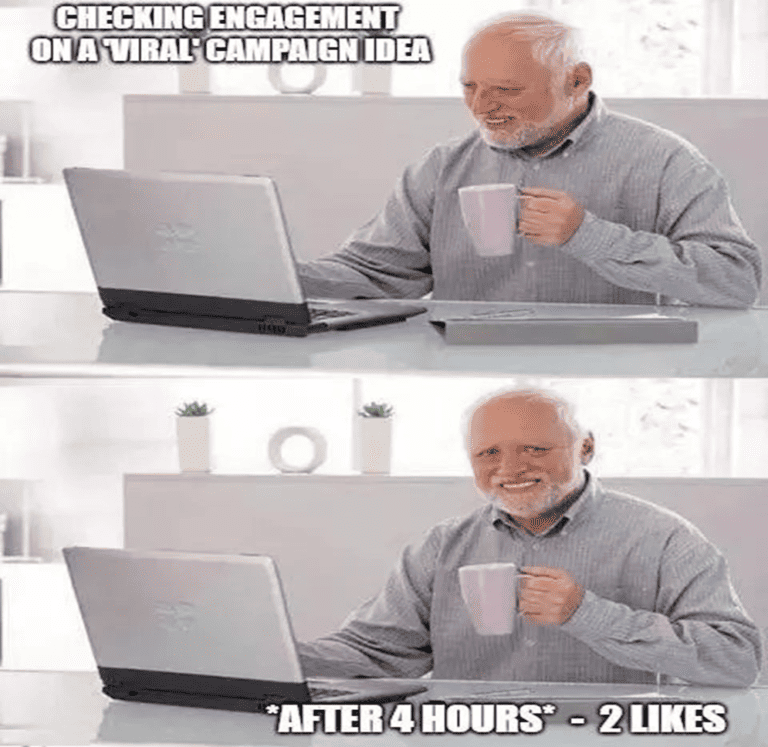
Image Source: Pepper Content
But That’s None Of My Business
This meme is great for when you want to highlight a common problem or competitor’s shortcoming in a funny, lighthearted way.
The sipping tea vibe adds a playful tone that says, “We see it, but we’re cool about it“. Apps can use it to subtly call out industry pain points while positioning themselves as the smarter choice.
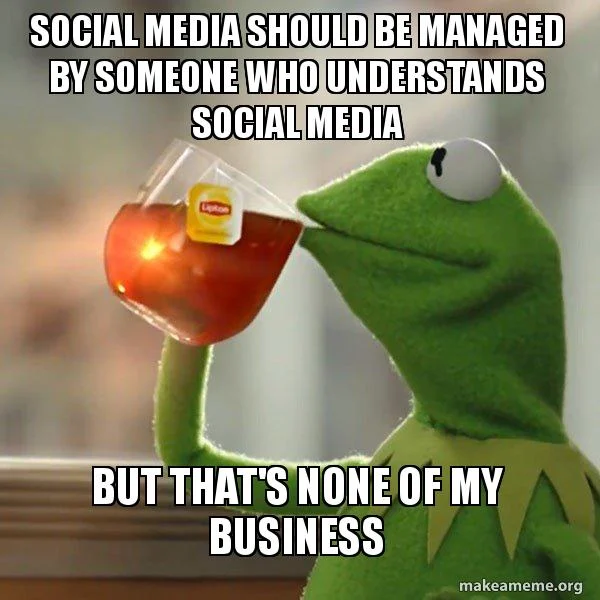
Image Source: Meme Over Marketing
When Reality Hits
This meme works well for apps to show the gap between user expectations and what usually happens in real life.
It’s funny, relatable, and can be used to highlight common struggles (like low downloads, poor retention, or unrealistic goals) while positioning your app as a better solution.
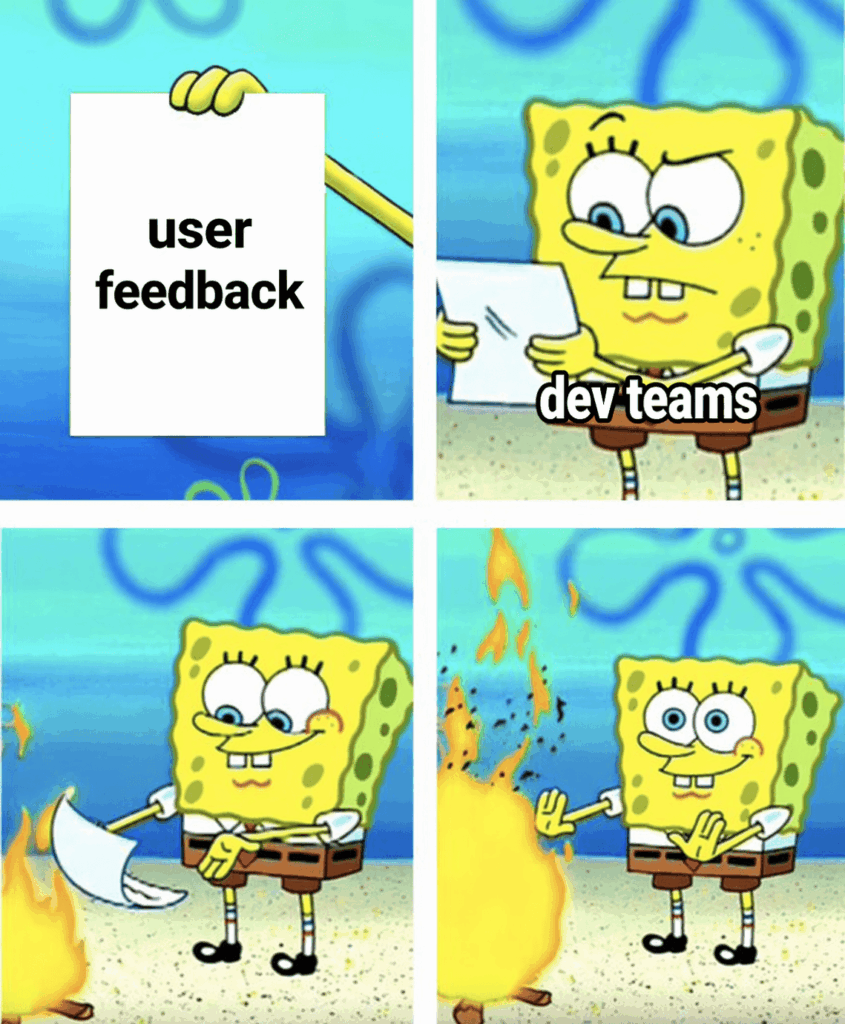
Quick Fix vs Real Problem
This meme is great to highlight how surface-level changes (like tweaking a headline or button color) won’t solve deeper issues like poor positioning, retention, or product-market fit.
It’s a playful way to remind teams and users that lasting growth comes from fixing the real leaks, not just patching over them.
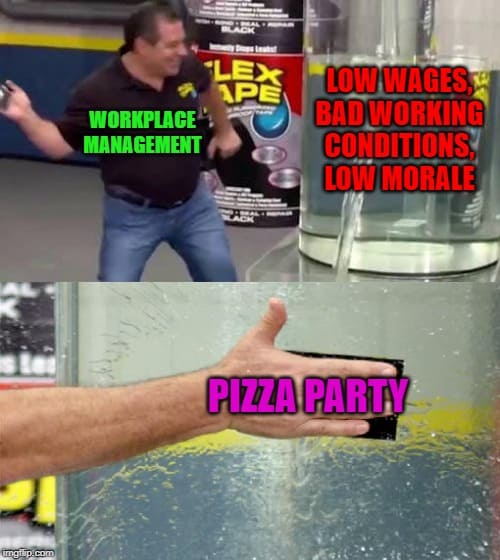
Image Source: Imgflip
The Big Reveal
This meme is perfect for when you want to share a simple but important reminder in a funny way.
It can be used to highlight app features users often forget, onboarding tips, or even playful nudges about daily usage.
The dramatic build-up makes the punchline land stronger and keeps
it relatable.
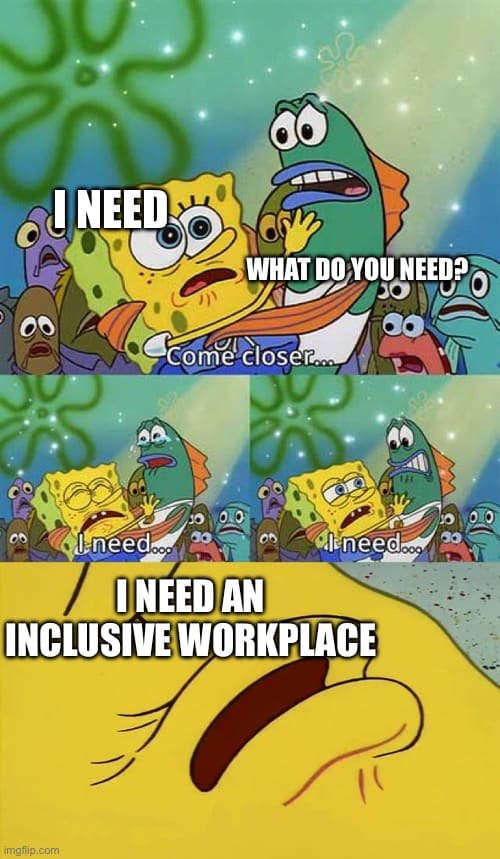
Image Source: Imgflip
Monkey Puppet Meme
Use this meme to highlight unexpected wins or ironic situations.
Apps can adapt it to show surprising growth, sudden customer demand, or even product popularity they didn’t expect, sparking engagement through humor.
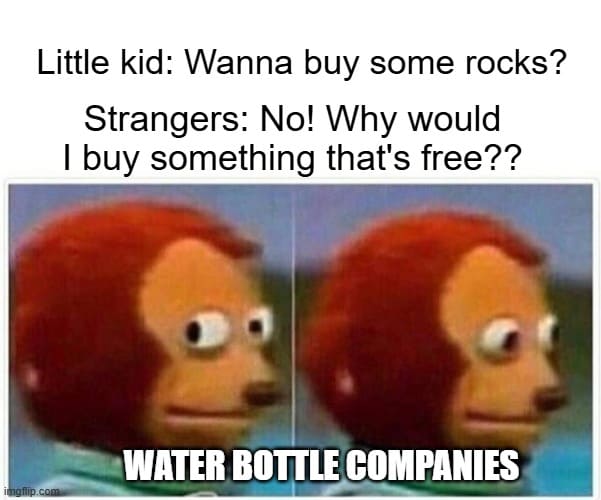
Image Source: Imgflip
Eric Andre Shooting Meme (Who Killed Hannibal)
This format is great for showing misplaced blame, which works perfectly in app marketing.
You can flip it to highlight how users often blame the wrong thing, like app updates, features, or competition, instead of the real issue your app actually solves.
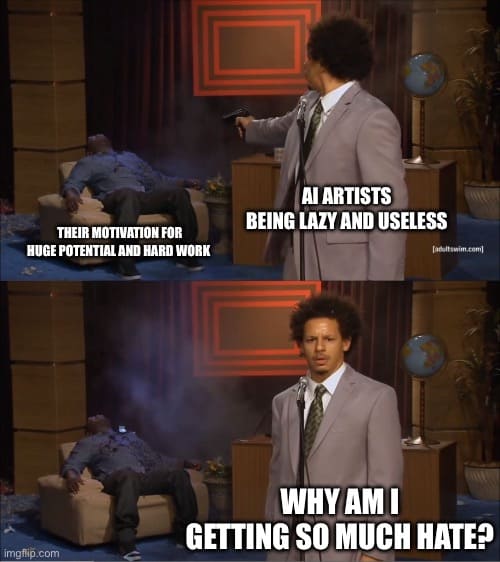
Image Source: Imgflip
Church Sniper Meme
Perfect for edtech or language learning apps, it shows how learners often get lost blaming “effects” or “reasons,” when the real challenge is mastering the core subject.
Great way to highlight how your app simplifies complex topics like grammar rules, vocabulary, or concepts.

Image Source: Imgflip
Patrick Star Crowded Meme
Perfect for remote-work humor, this meme taps into the awkward “wrong Zoom” moment everyone knows, great for quick relatability and engagement.
Use it to highlight audience mismatch (“Don’t end up in the wrong plan/webinar”), onboarding confusion, or targeting woes.
Caption with a nudge to the fix, link to the right plan, quiz, demo, or personalized recommendations.
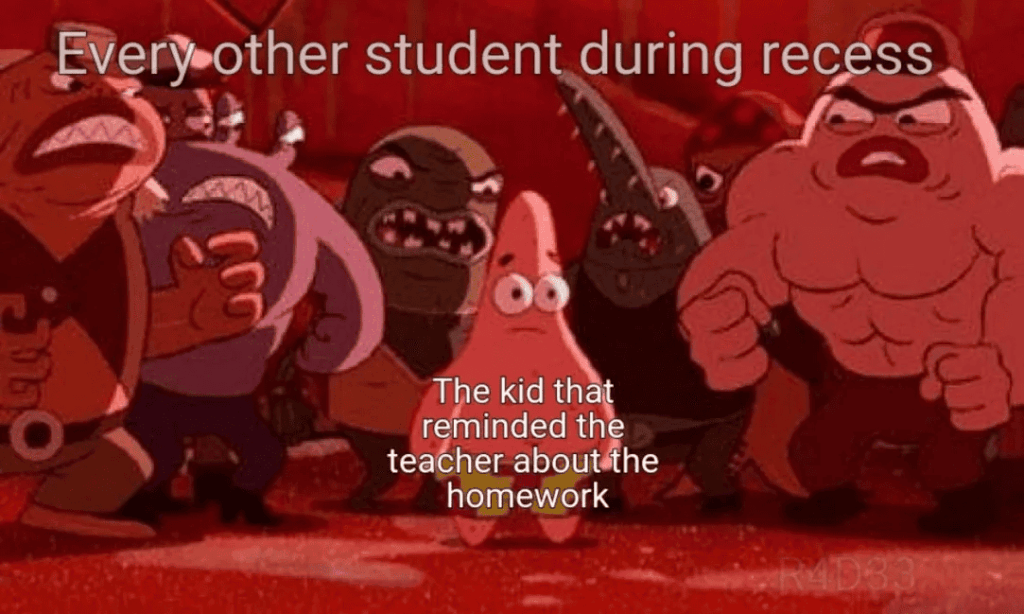
Image Source: brobible
Zoom Meeting
More and more people worldwide relate to the struggles of remote working and endless team meetings. The great thing about these is that you can adapt them to any niche, depending on what your meme character is doing or saying.
This video by Meeting.ai pulled in over 18M views, 714K likes, and 3,9K comments on Instagram Reels.
Frameworks & Action Items
Okay, so you get why memes matter and what types you can try. But how do you actually pull this off without spending all day doom-scrolling TikTok?
That’s where these few simple frameworks come in handy.
The Meme Fit Formula:
Every viral app meme usually checks three boxes:
Cultural Trend + Your App’s Value + a Relatable Twist
That’s it. If you can tie your app into what people are already laughing about and make it feel real to their lives, you’ve got a winner.
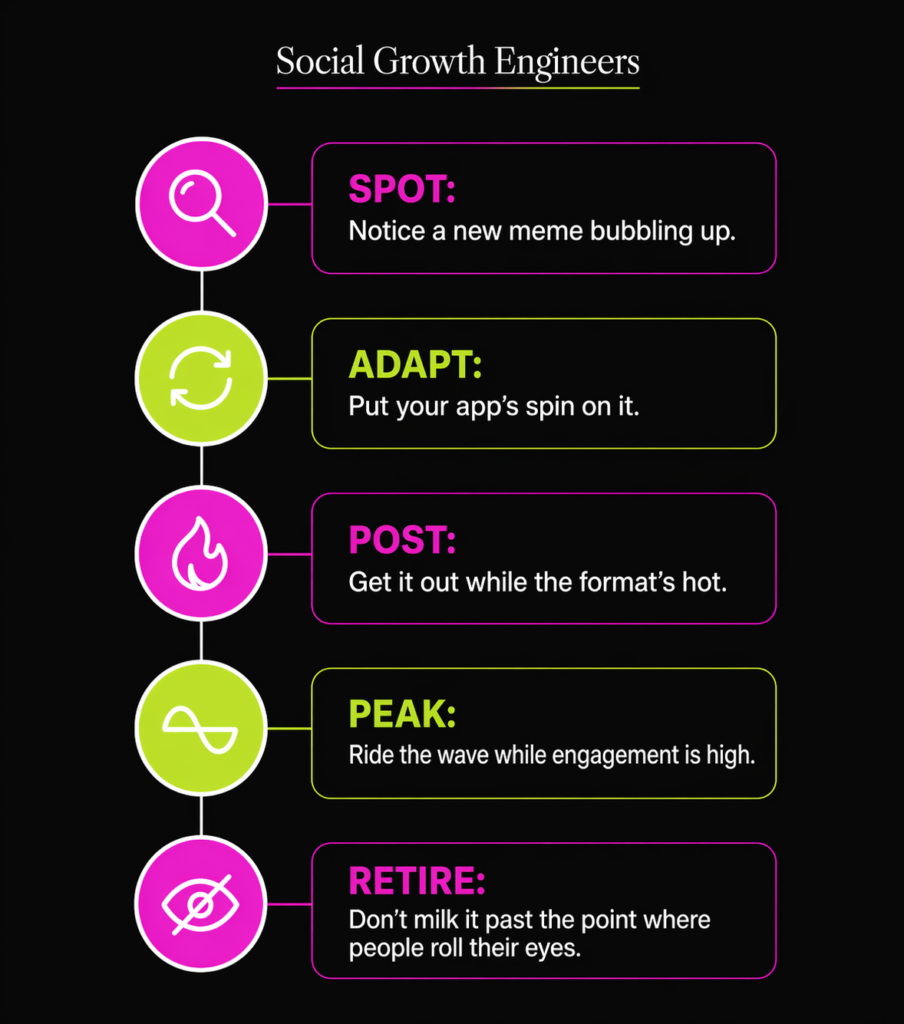
The Meme Lifecycle
Memes move fast on TikTok. Think of them like fresh fruit: they’re amazing when ripe, but gross if you wait too long. Here’s the cycle:
The Meme Mindset
Here’s the thing most brands get wrong: memes aren’t a “one and done” campaign. They’re not something you launch, wrap up, and call it a day. Memes are culture. They’re how people talk online, and culture doesn’t stop moving.
If you want your app to really win with memes, you need to think like a creator, not an advertiser:
- Start small → Don’t over-plan. One meme a week is enough to learn what lands.
- Test & adapt → Watch comments, shares, and duets. Double down on what hits, drop what doesn’t.
- Move fast → The internet doesn’t wait. A meme that’s hot today will be old news by next week.
Think of memes as a living, breathing feedback loop with your users. The faster you experiment, the faster you find the ones that stick, and those are the ones that can skyrocket your app’s growth.
Final Notes
Memes are great for getting attention and building a connection with your audience, but they often don’t lead to real conversions.
In our view, relying only on funny content is rarely a strong long-term growth strategy, unless your goal is to grow the page itself as your way to make money.
For most consumer apps, the best approach is to balance memes with content that’s built to convert. That way, you boost your reach while helping the algorithm bring you the right audience.
About Social Growth Engineers
Social Growth Engineers helps consumer apps scale more efficiently and effectively.
We focus on uncovering what drives results in social app growth, from viral formats and trends to proven strategies, retention-focused storytelling, and insights. All backed by real data.
Our resource library includes viral hooks datasets, in-depth guides, and UGC frameworks drawn from some of the best-performing apps in the market.
Explore our full resource hub here.
For daily insights, case studies, and bite-sized lessons, subscribe to our newsletter and follow us on X and LinkedIn.